
Pond Supplies
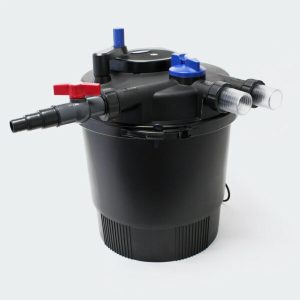
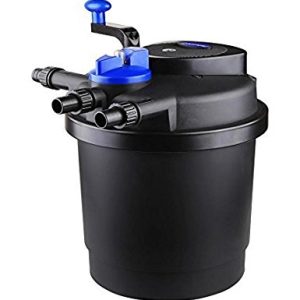
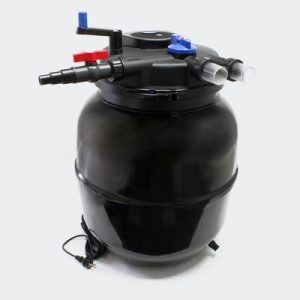
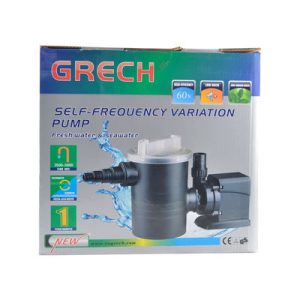
Pond Supplies & Equipment for Garden Ponds
A garden pond can require equipment for water circulation, filtration and routine maintenance. The right equipment depends on factors such as pond volume, livestock, water movement, filtration requirements and the overall design of the pond.
TankDeal offers pond supplies and equipment including pond filters, water pumps, treatments and accessories for different outdoor pond setups.
When selecting pond equipment, check the specifications of individual products carefully. Pond volume is important, but factors such as pump flow, head height, filtration requirements and the amount of debris entering the pond can also affect equipment selection.
Pond Filters
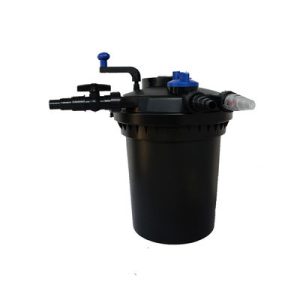
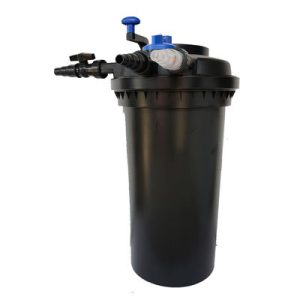
Pond filters help remove waste and debris from circulating pond water while, depending on the filtration system, providing media for biological filtration.
Different pond filtration systems use different designs and combinations of filter media.
When choosing a pond filter, consider the manufacturer's recommended pond capacity, livestock, pump flow and maintenance requirements.
A heavily stocked fish pond can have different filtration requirements from a lightly stocked decorative garden pond of similar volume.
Choosing a Pond Filter
Start by estimating the pond volume and understanding the type of pond you are maintaining.
Consider:
- pond volume
- fish stocking
- amount of organic debris
- pump flow
- filter capacity
- filter media
- installation requirements
- cleaning and maintenance access
Do not choose a pond filter solely according to its physical size.
Check the manufacturer's capacity and flow recommendations for the specific product.
Pond Pumps
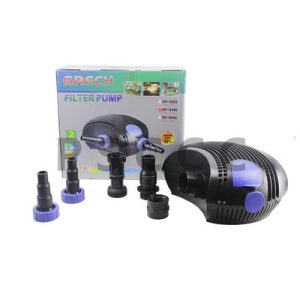
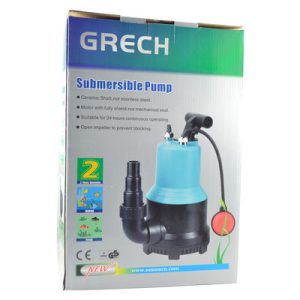
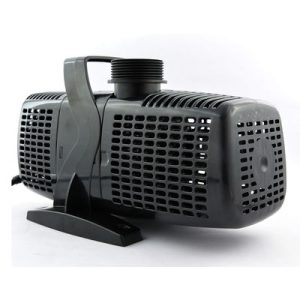
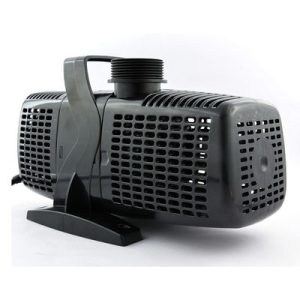
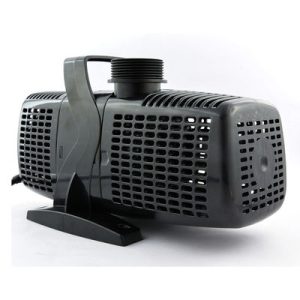
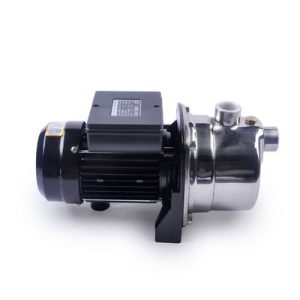
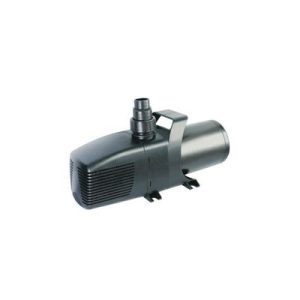
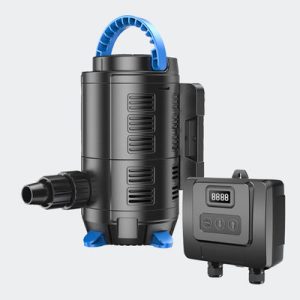
Pond pumps are used to circulate water through filtration systems, water features and other pond equipment depending on the particular installation.
Different pumps provide different flow rates, head heights and connection sizes.
Before selecting a pump, determine how it will be used and how far the water needs to travel.
A pump used primarily for circulation can have different requirements from one that must push water vertically to a filter or water feature.
Understanding Pond Pump Flow Rate
Pond pump flow is commonly expressed in litres per hour.
The maximum advertised flow represents performance under specified conditions and should not automatically be considered the actual flow that will reach the pond after installation.
Actual flow can be affected by:
- vertical head height
- tubing length
- tubing diameter
- bends and fittings
- connected filters
- other equipment
- flow restrictions
- accumulated debris
Consider the complete installation when selecting a pump rather than comparing only maximum LPH numbers.
Pond Pump Head Height
Head height becomes important when a pump must move water vertically.
As the required pumping height and system resistance increase, actual water flow can decrease.
This is particularly relevant when water must travel from the pond to elevated filtration equipment or a water feature.
Check the individual pump's performance specifications to determine whether it is suitable for the planned installation.
Pond Filtration & Water Circulation
Pond pumps and filters often work together.
The pump needs to provide appropriate flow for the filtration system without exceeding or falling substantially below the requirements of the equipment.
When planning a pond filtration system, check both the pump and filter specifications rather than purchasing each component independently.
Tubing diameter, connections and installation height should also be considered.
Pond Treatments
Pond treatments are available for different water-care and maintenance applications.
The intended purpose varies considerably between products.
Before adding any treatment, identify what the product is designed to do and whether it is appropriate for your pond and livestock.
Follow the manufacturer's dosage instructions carefully.
Adding more than the recommended quantity does not necessarily improve the result.
Pond Water Testing
Visual appearance alone cannot provide complete information about pond water conditions.
Testing relevant water parameters can be useful when establishing a pond, investigating changing conditions or managing fish.
The parameters that matter depend on the pond and livestock.
For additional testing products, explore our Water Care & Testing range and check whether the individual product is appropriate for your intended application.
Pond Accessories
Pond systems can require accessories such as tubing, fittings, replacement components and other installation or maintenance products.
Compatibility is important when connecting pumps, filters and tubing.
Check dimensions and connection sizes before ordering.
Similar-looking components may use different fittings and should not automatically be considered interchangeable.
Maintaining Pond Equipment
Pond pumps and filters require periodic inspection and maintenance.
Leaves, algae, sediment and other debris can restrict pump intakes, filter media and water flow over time.
Maintenance frequency depends on the pond, season, filtration system and amount of debris present.
Follow the manufacturer's instructions when cleaning pumps and filters.
Regular inspection can also help identify blocked tubing, reduced flow or components requiring attention.
Choosing Pond Equipment
Before purchasing pond equipment, consider:
- pond dimensions and estimated volume
- fish stocking
- required filtration
- desired water circulation
- pump flow rate
- head height
- tubing and connection sizes
- equipment location
- electrical requirements
- maintenance access
Planning the pump, filter and plumbing together can make it easier to build a compatible pond system.
Frequently Asked Questions
What equipment does a garden pond need?
Requirements depend on the pond, but common equipment can include a pond pump, filtration system, tubing and maintenance accessories. Fish ponds may have different requirements from decorative ponds.
How do I choose a pond filter?
Consider pond volume, fish stocking, pump flow, filtration capacity and the manufacturer's recommendations for the particular filter.
How do I choose a pond pump?
Determine the required flow, head height, tubing size and equipment the pump needs to supply. Maximum advertised flow alone should not be the only selection factor.
What does head height mean for a pond pump?
Head height refers to the vertical height against which a pump must move water. As head height and system resistance increase, actual pump flow can decrease.
Do pond filters need maintenance?
Yes. Filters accumulate debris and require maintenance according to their design, pond conditions and manufacturer's instructions.
Can I use an aquarium pump in a pond?
Only when the particular pump is designed or specified as suitable for the intended pond installation. Check its intended use, flow, head height, environmental requirements and manufacturer's specifications.