
Substrates & Soil


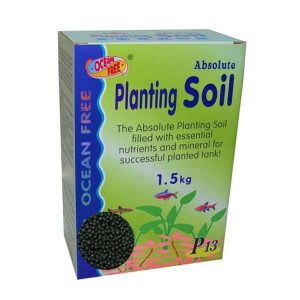
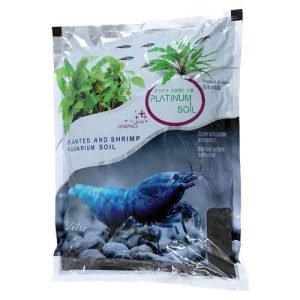
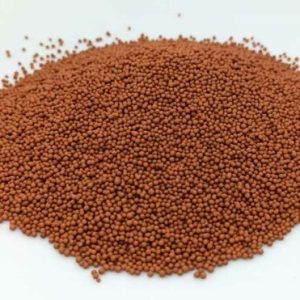
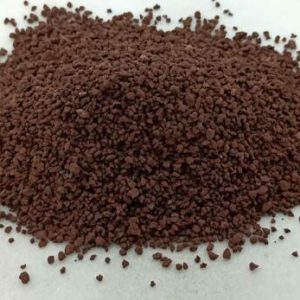
Aquarium Soil & Substrates for Planted Tanks and Aquascaping
The substrate forms the base of an aquarium and can influence both its appearance and how the aquascape is constructed. Depending on the setup, aquarium substrates can include aqua soil, sand, gravel and specialised substrate materials intended for planted aquariums.
TankDeal offers aquarium soil and substrates for planted tanks, freshwater aquariums and aquascaping projects. Whether you are creating a new planted aquarium or changing an existing layout, choosing the right substrate depends on your plants, livestock, aquascaping style and maintenance requirements.
Types of Aquarium Substrate
There is no single substrate that is ideal for every aquarium.
A heavily planted aquascape may have different requirements from a simple freshwater fish tank. Some aquariums use specialised aqua soil, while others use sand, gravel or combinations of different materials.
The main options available include aqua soil, aquarium sand, aquarium gravel, power sand and other substrate products.
Understanding the differences between these materials can help you choose a suitable base for your aquarium.
Aqua Soil for Planted Aquariums
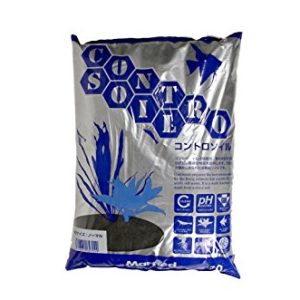
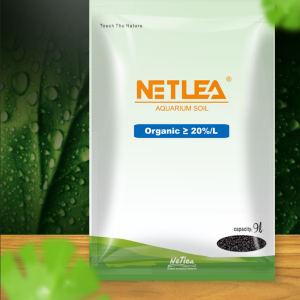
Aqua soil is commonly used in planted aquariums and aquascapes.
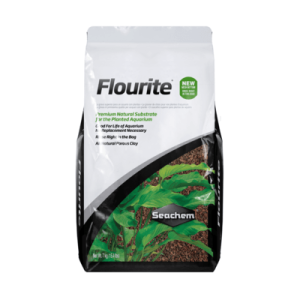
Unlike ordinary decorative gravel, specialised aquarium soils may be designed with planted aquariums in mind. Characteristics vary considerably between brands and products, so always check the individual product information before deciding which soil is suitable for your setup.
Consider factors such as granule size, intended use, aquarium dimensions, plant selection and the manufacturer's recommendations.
Some aqua soils can also influence water parameters. Never assume that all aquarium soils behave in the same way.
Aquarium Sand
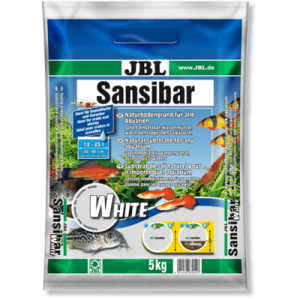
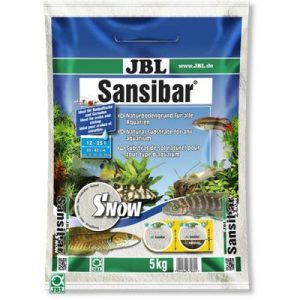
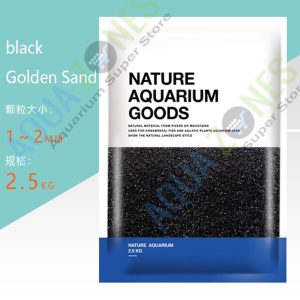
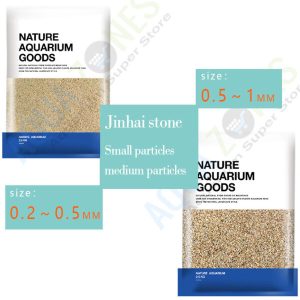
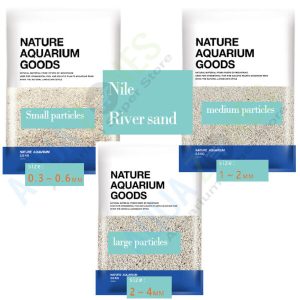
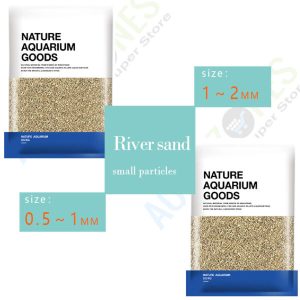
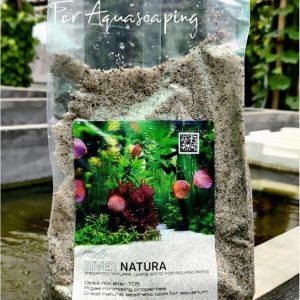
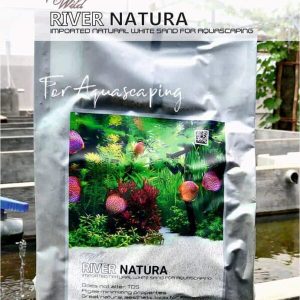
Aquarium sand can create a clean, natural-looking substrate and is used in many freshwater aquarium and aquascaping styles.
Different sands vary in colour, grain size and intended application.
When selecting aquarium sand, consider the fish or other livestock that will interact with the substrate, the plants being used and how the layout will be maintained.
Sand can also be used decoratively within an aquascape to create paths, open areas or contrast with rocks, plants and other substrate materials.
Choose products intended or confirmed as suitable for aquarium use rather than introducing unknown materials into the tank.
Aquarium Gravel
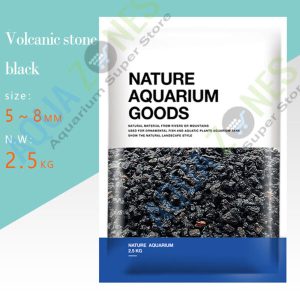
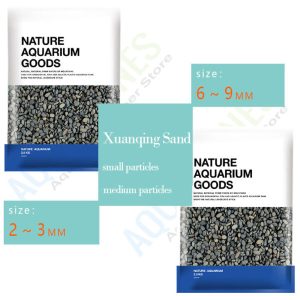
Aquarium gravel is another widely used substrate option for freshwater tanks.
It is available in different grain sizes, colours and materials and can be used as either the main substrate or as part of an aquascaping design.
When comparing aquarium gravel, consider grain size and the needs of the aquarium inhabitants. The appropriate substrate should suit the particular fish, plants and layout rather than being selected only by appearance.
Gravel also needs routine maintenance because waste and debris can accumulate within or above the substrate depending on the aquarium setup.
Power Sand & Planted Tank Substrate Systems
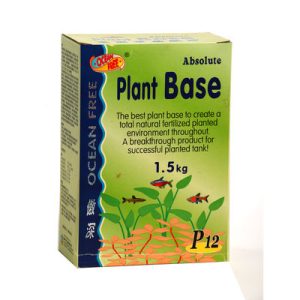
Some planted aquarium systems use multiple substrate layers or specialised base materials.
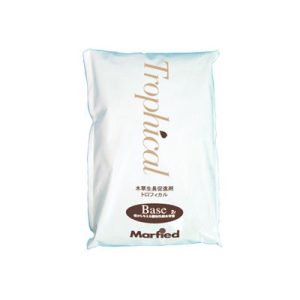
Power sand and similar products may be designed to form part of a broader planted-aquarium substrate system rather than being used in exactly the same way as ordinary aquarium sand.
Always follow the manufacturer's instructions for placement, quantity and compatibility with other substrate materials.
If a product is designed to be used beneath aqua soil or another top layer, install it according to the recommended substrate system.
Substrate Additives
Substrate additives are products intended to supplement or form part of particular aquarium substrate systems.
Their purpose varies by product. Some are designed specifically for planted aquarium setups, while others may be intended for particular substrate layers or applications.
Before using a substrate additive, check its intended function, recommended quantity and compatibility with your existing substrate.
Avoid adding products simply because they are marketed for planted tanks. Choose them according to the actual requirements of your aquarium.
How Much Aquarium Soil Do I Need?
The amount of aquarium soil or substrate required depends primarily on the aquarium's base dimensions and the desired substrate depth.
Aquascapes are rarely completely flat. Many layouts use deeper substrate toward the back of the aquarium or build elevated planting areas.
This means two aquariums with identical dimensions can require different quantities of substrate depending on the planned layout.
Check the coverage information provided for individual products and plan the approximate depth before ordering.
For larger aquascapes, allow for any slopes, raised areas or additional substrate depth required by the design.
Choosing Substrate for a Planted Aquarium
For a planted aquarium, substrate choice should be considered together with plant selection, lighting, nutrients and, where appropriate, CO₂.
Different aquatic plants have different growth habits. Some develop extensive root systems in the substrate, while others obtain a greater proportion of their nutrients from the water column or may not be planted in the substrate at all.
A planted aquarium therefore does not automatically require one particular type of soil.
For additional planted-tank equipment, explore our CO₂ & Planted Aquarium and Aquarium Lighting ranges.
Aquarium Substrate & Aquascaping
Substrate is also an important visual element of an aquascape.
Different substrate colours, textures and grain sizes can change the appearance of the entire aquarium. Aquascapers may also use different substrate depths to create perspective or support rocks and other layout materials.
When planning a complete layout, consider the substrate together with rocks, plants and other hardscape materials.
Explore our Aquascaping collection for additional tools and layout materials.
Maintaining Aquarium Substrate
Maintenance depends on the type of substrate and aquarium.
Loose debris can accumulate on the surface or between larger substrate particles. The appropriate cleaning method depends on the material, livestock and planted layout.
Deep or aggressive cleaning may not be appropriate for every planted substrate, particularly around established plant roots.
Follow the substrate manufacturer's recommendations and use maintenance techniques appropriate for your particular aquarium.
Frequently Asked Questions
What is the best substrate for a planted aquarium?
There is no single substrate that is best for every planted aquarium. The right choice depends on plant species, aquarium layout, livestock, fertilization strategy and other growing conditions.
What is aqua soil?
Aqua soil is a type of aquarium substrate commonly used in planted tanks and aquascapes. Properties vary between products, so check the manufacturer's information for the specific soil.
Can I use aquarium sand in a planted tank?
Sand can be used in planted aquariums, but suitability depends on the plants and overall setup. Some planted tanks may require additional nutrient strategies depending on the substrate and plant requirements.
Is aquarium gravel suitable for planted tanks?
Gravel can be used in planted aquariums depending on its grain size, the plants being grown and the overall nutrient strategy.
How much aquarium substrate do I need?
The required quantity depends on the aquarium's base dimensions and desired substrate depth. Sloped or raised aquascapes generally require more material than a shallow, level substrate.
Can I mix different aquarium substrates?
Different substrate materials can be used within the same aquascape when appropriate, but consider their intended purpose, appearance and how easily the materials may mix during maintenance.