
Terrarium & Paludarium
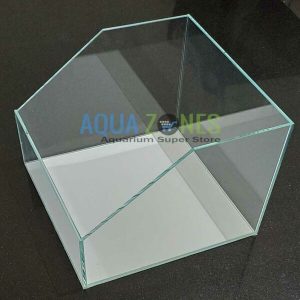
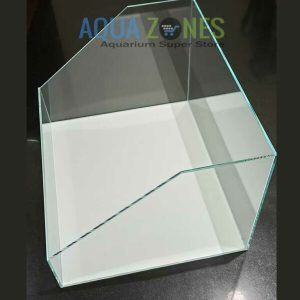
Terrarium & Paludarium Supplies for Planted Setups
Terrariums and paludariums make it possible to create specialised planted environments using combinations of plants, substrate, hardscape, lighting and other equipment. While a terrarium is primarily a land-based enclosed or partially enclosed environment, a paludarium typically combines terrestrial and aquatic areas within the same setup.
TankDeal offers terrarium and paludarium supplies for creating and maintaining planted environments, including lighting, accessories and other equipment suitable for different types of setups.
The equipment required depends on the enclosure, plants, water section where applicable, environmental requirements and overall design.
What Is a Terrarium?
A terrarium is an enclosure used to create a controlled environment for suitable plants and, depending on the design and intended use, other compatible inhabitants.
Terrariums can vary considerably in size, ventilation, humidity and lighting requirements.
A planted terrarium may use substrate, rocks, wood and other layout materials to create a natural-looking environment.
Before selecting equipment, consider the type of environment you intend to create rather than assuming that all terrarium setups require the same conditions.
What Is a Paludarium?
A paludarium combines both terrestrial and aquatic areas within one enclosure.
The exact balance between land and water varies according to the design.
Some paludariums contain a substantial water section, while others use only a relatively small aquatic area alongside a larger planted terrestrial section.
Because water and land are incorporated into the same environment, planning filtration, circulation, lighting, substrate and hardscape can require a different approach from a conventional aquarium or terrarium.
Planning a Paludarium
Before purchasing equipment, plan the basic structure of the paludarium.
Consider:
- enclosure dimensions
- size and depth of the water section
- terrestrial area
- plants
- substrate
- rocks and hardscape
- lighting
- water circulation
- filtration where required
- access for maintenance
Planning these elements together can help prevent equipment from interfering with the finished layout.
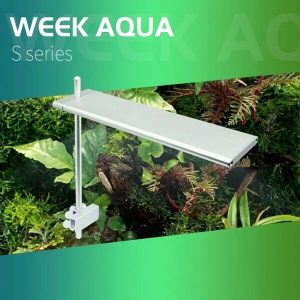
Terrarium & Paludarium Lighting
Terrarium lighting should be selected according to the requirements of the particular setup.
A planted terrarium or paludarium needs lighting appropriate for the plants being grown, enclosure dimensions and mounting arrangement.
Different fixtures provide different levels of intensity, coverage and control.
Check fixture dimensions and specifications rather than selecting a light based only on its appearance or wattage.
For aquatic planted sections, some setups may also benefit from products within our Aquarium Lighting range, provided the individual light is suitable for the intended installation.
Substrate for Terrariums & Paludariums
Substrate selection depends on the type of environment being created.
The terrestrial portion of a paludarium may require different substrate materials from its underwater section.
Similarly, specialised planted terrariums can require substrate chosen according to plant and environmental requirements.
Do not assume that aquarium soil, ordinary gravel and terrarium substrate are interchangeable.
Use products according to their intended application and follow the manufacturer's instructions.
For aquatic sections, explore our Substrates & Soil range where appropriate.
Hardscape & Layout Materials
Rocks and other hardscape materials can provide structure and visual interest in terrariums and paludariums.
They may be used to create elevation, boundaries between land and water, planting areas or other layout features.
Consider the weight and stability of hardscape before installation.
Materials positioned above or around an aquatic section should be secure and suitable for the intended environment.
For aquarium-oriented layout products, explore our Aquascaping range.
Water Circulation in a Paludarium
Paludariums containing aquatic areas may require water movement depending on their design.
Small pumps can be used in some setups for circulation, filtration or water features where the particular equipment is suitable.
When selecting a pump, consider required flow, pumping height, tubing dimensions and the size of the water section.
A high-flow aquarium pump may be unnecessary for a small paludarium water area.
Explore our Aquarium Pumps range for compatible circulation equipment where appropriate.
Filtration for Paludariums
Whether a paludarium requires filtration depends on the aquatic section and how the system is designed.
Where filtration is used, consider the volume of water, livestock where applicable, available installation space and desired water flow.
Compact filters or other filtration arrangements may be more practical than equipment designed for large aquariums.
The filter should be selected according to the actual aquatic volume and requirements of the setup.
Explore our Aquarium Filters range when filtration is required.
Terrarium & Paludarium Accessories
Accessories can support planting, equipment installation, water circulation and routine maintenance.
Before purchasing an accessory, check its dimensions and intended use.
Space can be limited inside smaller enclosures, so equipment size is particularly important.
Whenever electrical equipment is used around water or high-humidity environments, follow the manufacturer's installation and safety requirements.
Maintaining a Planted Paludarium
A planted paludarium changes as plants grow and the environment matures.
Routine maintenance can include trimming plants, removing unwanted debris, inspecting pumps or filters and checking the aquatic section where applicable.
The maintenance schedule depends on the plants, water volume, equipment and overall design.
Plan access to important equipment during the initial layout so that routine cleaning does not require dismantling major sections of the paludarium.
Choosing Terrarium & Paludarium Supplies
Before ordering equipment, consider:
- enclosure dimensions
- terrestrial and aquatic areas
- plant requirements
- substrate requirements
- lighting
- hardscape
- water circulation
- filtration
- equipment dimensions
- maintenance access
A successful setup depends on compatible components working together rather than simply adding as much equipment as possible.
Frequently Asked Questions
What is the difference between a terrarium and a paludarium?
A terrarium is primarily a terrestrial enclosure, while a paludarium combines land and aquatic areas within the same setup.
Does a paludarium need a filter?
Not every paludarium uses the same filtration system. Whether filtration is required depends on the size and purpose of the aquatic section and the overall setup.
Can I use an aquarium pump in a paludarium?
A suitable aquarium pump may be used for some paludarium applications, but check the required flow, head height, installation conditions and manufacturer's specifications.
What lighting does a planted paludarium need?
Lighting requirements depend on the plants, enclosure dimensions, mounting position and layout. Choose a fixture according to the actual requirements of the setup.
Can aquarium soil be used in a paludarium?
Aquarium soil may be suitable for particular aquatic or planted applications, but it should not automatically be considered appropriate for every terrestrial section. Choose substrate according to its intended use.
What should I consider before building a paludarium?
Plan the land and water areas, plants, substrate, hardscape, lighting, circulation, filtration and maintenance access before selecting equipment.