
Fish Food
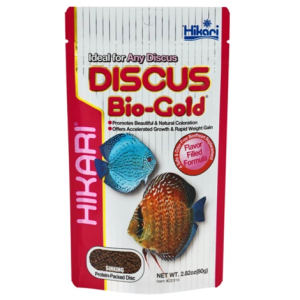
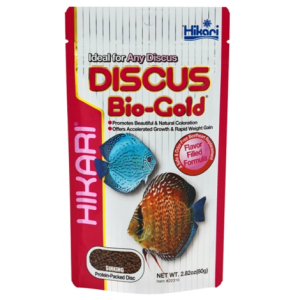
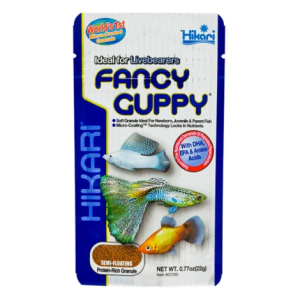
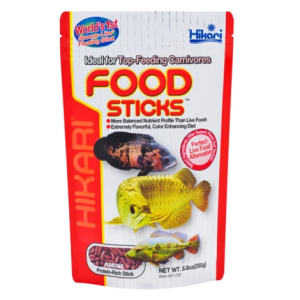
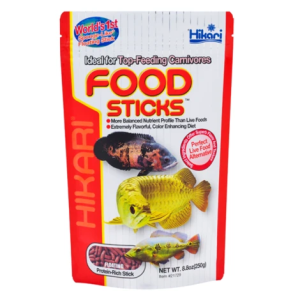
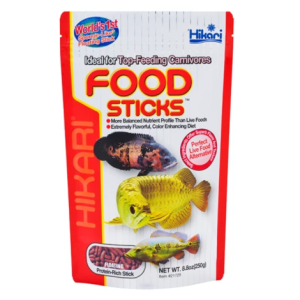
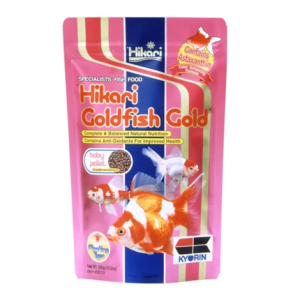
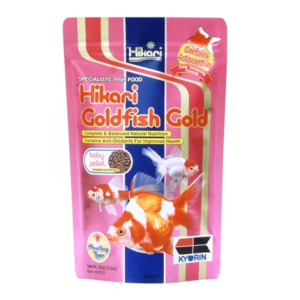
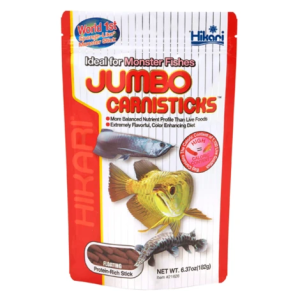
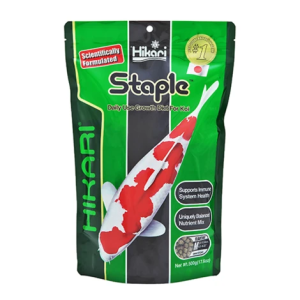
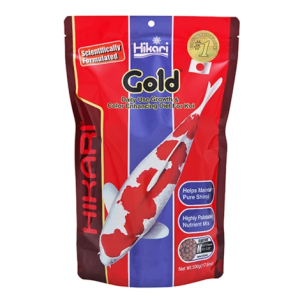
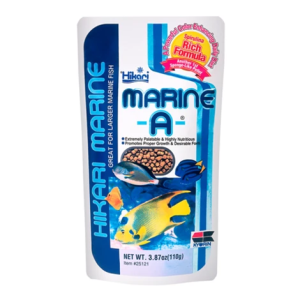
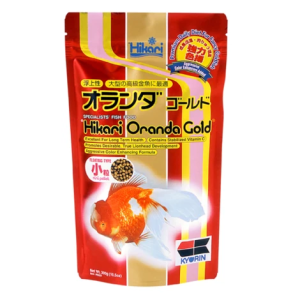
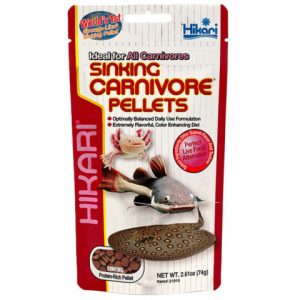
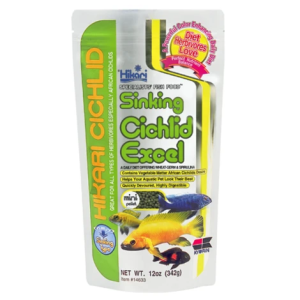
Aquarium Fish Food for Different Fish & Feeding Needs
Choosing suitable fish food is an important part of maintaining aquarium livestock. Different fish species have different feeding behaviours, nutritional requirements and preferred food sizes, so the same food is not necessarily appropriate for every aquarium.
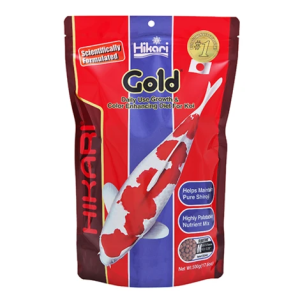
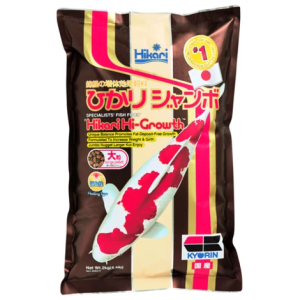
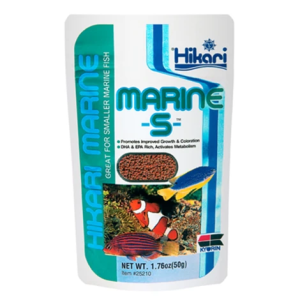
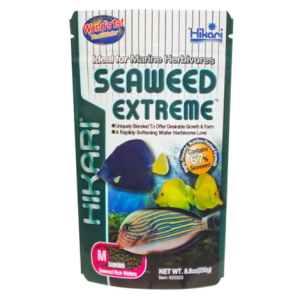
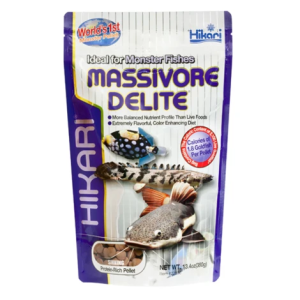
TankDeal offers aquarium fish food in different formats, including sinking pellets, floating pellets, flakes and sinking wafers, along with shrimp food and nutritional supplements. When choosing food, consider the species you keep, where they feed in the aquarium, the appropriate particle or pellet size and the manufacturer's feeding recommendations.
Choosing the Right Fish Food
Start with the fish rather than simply choosing the most popular food.
Consider the species, size and natural feeding behaviour of the aquarium inhabitants. Some fish readily feed near the surface, while others prefer food that reaches the middle or bottom areas of the aquarium.
Food size is also important. A pellet suitable for a large fish may be difficult for a much smaller species to consume.
Check the product information for the intended fish, food size, feeding characteristics and manufacturer's recommendations.
Sinking Fish Pellets
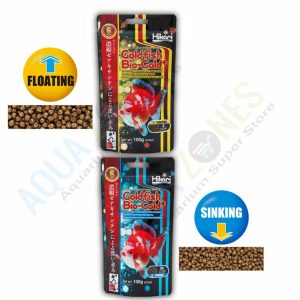
Sinking pellets descend through the water and can be useful for fish that prefer feeding away from the surface.
The sinking rate, pellet size and formulation vary between products.
When choosing sinking pellets, consider the size and feeding behaviour of the fish. The goal is to provide food that the intended livestock can find and consume without excessive uneaten food accumulating in the aquarium.
Floating Fish Pellets
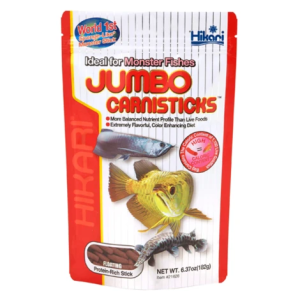
Floating pellets remain at or near the water surface for a period of time, making them suitable for many surface-feeding fish.
They can also make feeding easier to observe because you can see how much food is being consumed.
Different floating foods are designed for different fish species and sizes. Check the pellet dimensions and intended application rather than assuming that every floating pellet is suitable for every aquarium fish.
Fish Food Flakes
Fish flakes are a familiar food format used for many aquarium fish.
Flakes can be convenient for community aquariums because pieces can be broken into different sizes and distributed across the water surface.
However, formulation varies considerably between products.
Choose a flake food according to the fish being maintained and follow the manufacturer's feeding recommendations.
Sinking Wafers
Sinking wafers are designed to reach lower areas of the aquarium and are commonly selected for bottom-feeding fish and other livestock depending on the particular formulation.
Wafers may remain available for longer than some smaller food particles, but uneaten food should not simply be left in the aquarium indefinitely.
Check whether a particular wafer is designed for the species you keep and use an appropriate quantity.
Shrimp Food
Freshwater shrimp have their own feeding requirements, and dedicated shrimp food products are available in different forms and formulations.
The appropriate food depends on the shrimp species, colony size, aquarium maturity and other available food sources.
Avoid assuming that more food will produce faster growth. Uneaten food can contribute unnecessary organic waste to a small shrimp aquarium.
For additional shrimp-specific products, explore our Shrimp Supplies range.
Fish Food Supplements
Food supplements and specialised feeding products may be used for particular aquarium livestock or feeding requirements.
Their intended purpose varies by product, so they should be selected based on the needs of the fish rather than added routinely without a reason.
Read the manufacturer's directions carefully, particularly when a supplement is intended to be combined with another food.
How Much Should Aquarium Fish Be Fed?
There is no single quantity suitable for every fish or aquarium.
The appropriate amount depends on factors including fish species, number of fish, size, age, food type and feeding frequency.
Follow the manufacturer's recommendations as a starting point and observe how the fish respond.
Regularly leaving substantial amounts of uneaten food in the aquarium can increase organic waste and place additional demand on the filtration system.
Avoid Overfeeding Aquarium Fish
Overfeeding is a common aquarium-management problem.
Food that is not consumed can break down in the aquarium and contribute to waste accumulation.
Rather than automatically adding a large amount of food, provide an appropriate portion for the livestock and observe feeding behaviour.
If significant food regularly remains uneaten, review the quantity, food type and whether it is reaching the fish for which it was intended.
Good feeding practices work together with appropriate Aquarium Filters and regular Cleaning & Maintenance.
Automatic Fish Feeders
An automatic fish feeder can dispense food according to the capabilities and settings of the particular device.
Automatic feeders can be useful when a consistent feeding schedule is required or when the aquarium owner is temporarily away.
Before using one, check which food types and particle sizes the feeder supports.
Test the feeder before relying on it unattended so that you understand how much food it dispenses at each setting.
Storing Aquarium Fish Food
Fish food should be stored according to the manufacturer's instructions.
Keep containers properly closed and protect the food from conditions that can reduce its quality, such as excessive moisture or inappropriate storage temperatures.
Buying extremely large quantities is not necessarily economical if the food cannot be used within the manufacturer's recommended period after opening.
Check packaging instructions and expiry information where provided.
Frequently Asked Questions
Which food is best for aquarium fish?
There is no single food that is best for every aquarium fish. Choose according to the species, fish size, feeding behaviour and nutritional requirements.
Are floating or sinking pellets better?
Neither is universally better. Floating pellets are suitable for many surface-feeding fish, while sinking foods can be more appropriate for fish that feed lower in the aquarium.
Can I feed the same food to every fish in a community aquarium?
Not always. Community aquariums can contain species with different food sizes, feeding zones and nutritional requirements. More than one appropriate food may sometimes be required.
How much fish food should I give?
The correct quantity depends on the fish, food and feeding schedule. Follow the product instructions and observe how much is actually consumed rather than routinely adding excess food.
What are sinking wafers used for?
Sinking wafers are designed to reach the lower areas of an aquarium and may be formulated for bottom-feeding fish or other specific livestock.
Is shrimp food different from fish food?
Dedicated shrimp foods are formulated and presented for shrimp feeding requirements. The appropriate diet depends on the shrimp species and aquarium setup.