
Heating & Cooling
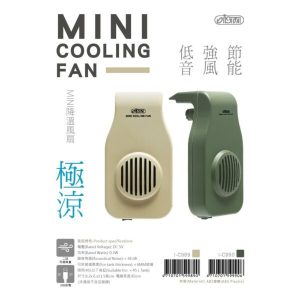
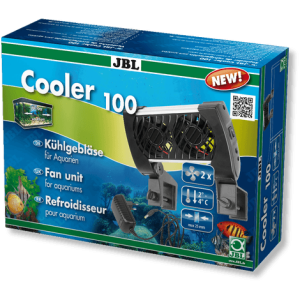
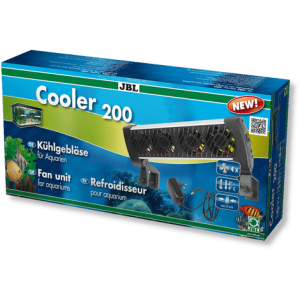
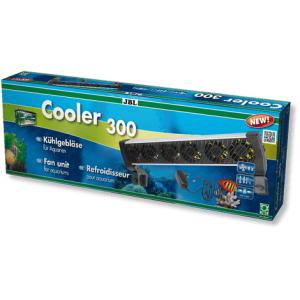
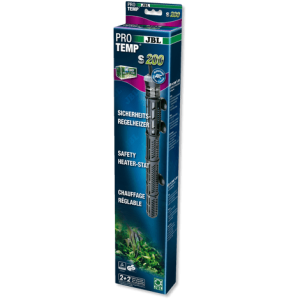
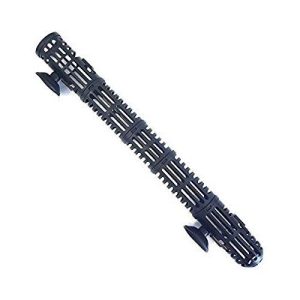
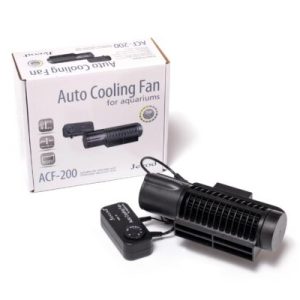
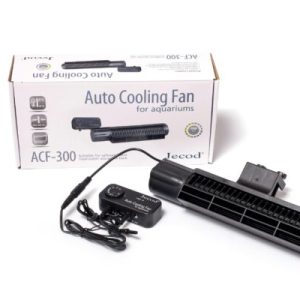
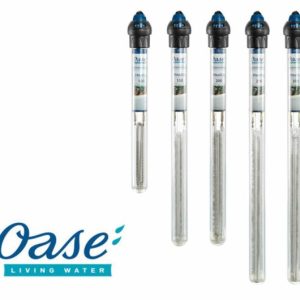
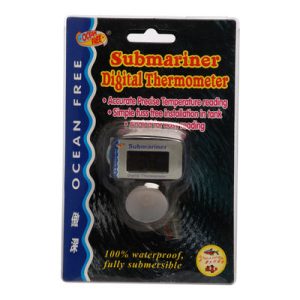
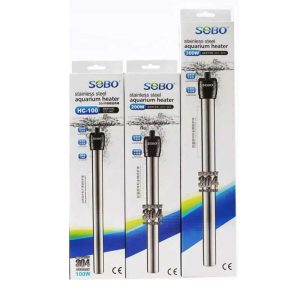
Aquarium Heaters, Chillers & Temperature Control Equipment
Temperature is an important environmental factor in an aquarium. Different fish, shrimp, aquatic plants and other aquarium inhabitants can have different temperature requirements, making suitable heating, cooling and temperature monitoring equipment important for many aquarium setups.
TankDeal offers aquarium temperature-control equipment including aquarium heaters, chillers, temperature controllers, thermometers and related accessories. The equipment you need depends on your aquarium volume, livestock, room conditions, target temperature and the amount of heating or cooling required.
Aquarium Heaters
Aquarium heaters are used when the aquarium water needs to be maintained above the surrounding temperature or within a suitable range for the aquarium inhabitants.
Heaters are available in different sizes, wattages and designs. Some models include an integrated thermostat, while other systems may be used with separate temperature-control equipment.
When choosing an aquarium heater, check the manufacturer's recommended aquarium capacity and operating specifications.
Aquarium volume is important, but room temperature and the difference between ambient and desired water temperature can also affect heating requirements.
Choosing the Right Aquarium Heater
Avoid choosing a heater based only on wattage.
Consider:
- aquarium volume
- desired water temperature
- typical room temperature
- manufacturer's tank-size recommendation
- heater dimensions
- installation method
- thermostat or control features
- freshwater or marine compatibility where specified
Larger aquariums or setups exposed to greater temperature differences may have different heating requirements from smaller tanks kept in temperature-controlled rooms.
Always follow the heater manufacturer's installation and operating instructions.
Aquarium Chillers
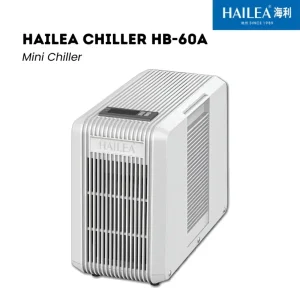
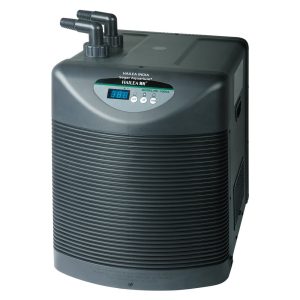
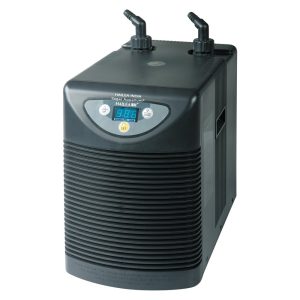
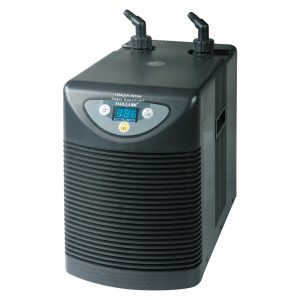
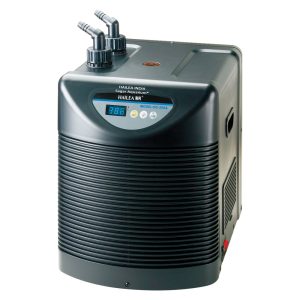
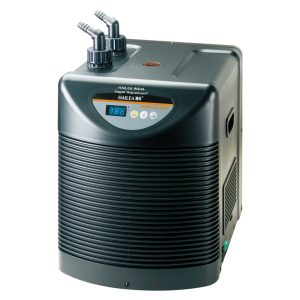
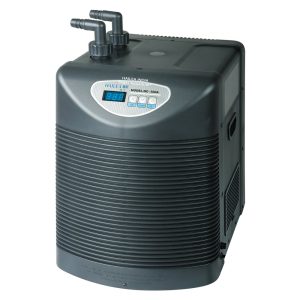
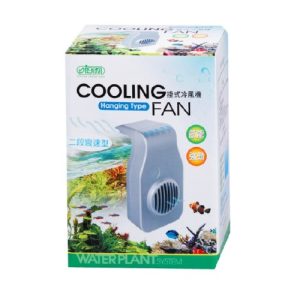
Aquarium chillers are designed to help reduce aquarium water temperature when ambient conditions or aquarium equipment cause the water to become warmer than desired.
They can be useful for temperature-sensitive aquarium setups or environments where room temperatures regularly become high.
When comparing aquarium chillers, consider the recommended aquarium volume, cooling capacity, required water flow, installation requirements and ambient conditions.
A chiller should be selected according to the actual cooling requirement rather than simply choosing the largest available model.
Choosing an Aquarium Chiller
Chiller performance can be affected by more than aquarium volume.
Consider the temperature difference between the aquarium and surrounding environment, heat produced by aquarium equipment, aquarium size, water flow and the manufacturer's operating recommendations.
Some chillers require a separate water pump or a particular flow range.
Check the individual product specifications carefully so that the chiller, pump and tubing can operate together correctly.
You can explore our Aquarium Pumps range if your cooling setup requires a compatible water pump.
Aquarium Temperature Controllers
Temperature controllers can be used as part of aquarium heating or cooling systems to monitor temperature and control compatible equipment according to the capabilities of the particular device.
Features vary between products. Some controllers may support heating, cooling or both, while others provide alarms, digital displays or different control settings.
Before purchasing a controller, check its supported equipment, electrical ratings, temperature range, probe design and operating instructions.
Do not assume that every temperature controller can safely operate every heater or chiller.
Aquarium Thermometers
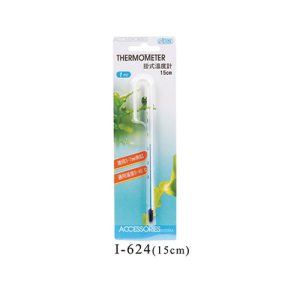
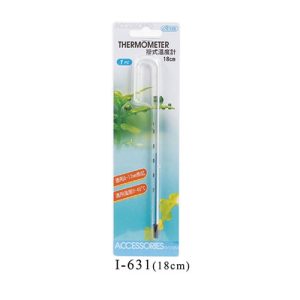
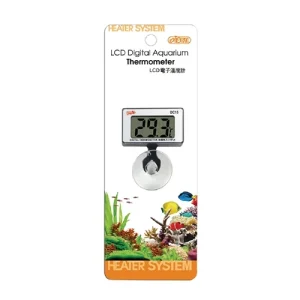
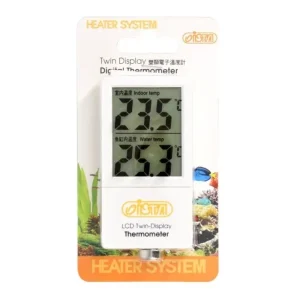
An aquarium thermometer provides a straightforward way to monitor water temperature.
Different designs can include digital thermometers, probe-based units and other aquarium temperature-monitoring devices.
Position and use the thermometer according to its instructions and periodically check that it is functioning correctly.
A thermometer is useful even when a heater has an integrated temperature setting because it provides an independent way to observe aquarium water temperature.
Maintaining a Stable Aquarium Temperature
The appropriate aquarium temperature depends on the livestock being kept.
Rather than selecting one temperature for every aquarium, research the requirements of the particular fish, shrimp, plants or other organisms in your setup.
Sudden or unnecessary temperature changes should generally be avoided.
Monitor aquarium temperature regularly, especially during seasonal changes or when room temperatures vary considerably between day and night.
Heating and Cooling in Planted Aquariums
Planted aquariums also require appropriate temperature management.
The ideal range depends on both the plants and livestock, so heating or cooling decisions should consider the complete aquarium rather than only one species.
Lighting and other electrical equipment can also contribute heat to an aquarium.
When building a planted setup, consider temperature alongside Aquarium Lighting, CO₂ & Planted Aquarium equipment and water circulation.
Aquarium Heating & Cooling Accessories
Accessories can include replacement components, probes, mounting equipment and other items intended for particular heating or cooling systems.
Compatibility is important.
Check model numbers, dimensions, electrical requirements and manufacturer specifications before purchasing replacement or additional components.
Similar-looking accessories are not necessarily interchangeable between different heaters, chillers or temperature controllers.
Aquarium Heater & Chiller Safety
Aquarium heaters, chillers and controllers combine electrical equipment with an aquatic environment, so the manufacturer's safety instructions should always be followed.
Use equipment only for its intended application and inspect cables, plugs and components for visible damage.
Disconnect equipment as instructed before installation or maintenance, and do not operate damaged electrical aquarium equipment.
For heaters in particular, follow the manufacturer's directions regarding placement, minimum water level and whether the unit needs to be disconnected before water changes or removal from the aquarium.
Choosing Aquarium Temperature Equipment
Before ordering heating or cooling equipment, check:
- aquarium volume
- livestock temperature requirements
- ambient room temperature
- required heating or cooling capacity
- product dimensions
- installation requirements
- water-flow requirements where applicable
- controller compatibility
- power requirements
- manufacturer's recommended aquarium size
Using these factors makes it easier to narrow down suitable equipment for your aquarium.
Frequently Asked Questions
What size aquarium heater do I need?
The appropriate heater depends on aquarium volume, room temperature, desired water temperature and the manufacturer's recommendations. Wattage alone should not be the only selection factor.
Do all aquariums need a heater?
No. Whether a heater is required depends on the temperature requirements of the aquarium inhabitants and the surrounding environment.
When is an aquarium chiller needed?
A chiller may be useful when aquarium water regularly becomes warmer than the suitable range for the livestock or aquarium setup.
What does an aquarium temperature controller do?
A temperature controller monitors temperature and, depending on its design, can control compatible heating or cooling equipment according to configured settings.
Do I need a thermometer if my heater has a thermostat?
An aquarium thermometer provides an independent way to monitor water temperature and can therefore be useful even when a heater has its own thermostat.
Can one temperature controller operate both a heater and a chiller?
Some controllers support both heating and cooling functions, while others do not. Check the specifications and electrical ratings of the individual controller before connecting equipment.